
Michigan's hotel landscape spans restored Victorian properties in Detroit's historic districts, character-filled inns in the Upper Peninsula, and heritage-rooted stays near the state's most storied landmarks. Whether you're arriving for the Great Lakes shoreline, Bavarian-themed Frankenmuth, or the cultural corridors of Detroit, choosing a historically grounded hotel adds context to every stay. This guide compares 8 historic and character-driven hotels across Michigan to help you book with confidence.
What It's Like Staying in Michigan
Michigan is one of the most geographically varied states in the U.S., split between the Lower Peninsula - where most urban activity concentrates - and the remote, forested Upper Peninsula. Getting between regions requires planning, as crossing the Mackinac Bridge connects two very different travel rhythms: the Lower Peninsula moves faster with denser road infrastructure, while the Upper Peninsula demands more self-sufficient travel. Visitor patterns spike sharply in summer around the Great Lakes and fall color corridors, while winter draws skiers and snowshoers to the UP's trail networks.
Michigan rewards travelers who come with a specific anchor - a city, a natural park, or a cultural event - rather than those expecting a single central hub. Detroit, Frankenmuth, and Marquette each serve distinct traveler profiles and are far enough apart that hotel positioning matters significantly for trip efficiency.
Pros:
- Exceptional geographic and cultural variety - Great Lakes shoreline, UP wilderness, and urban Detroit all within one state
- Frankenmuth and Marquette offer walkable, compact town experiences with strong regional character
- Historic properties in Michigan often occupy architecturally significant buildings unavailable elsewhere in the Midwest
Cons:
- Distances between key destinations can exceed 5 hours by car - a rental vehicle is essentially mandatory
- Summer and fall peak seasons drive up rates significantly, especially near lake towns and fall foliage routes
- The Upper Peninsula has limited public transport, making spontaneous travel difficult without prior planning
Why Choose Historic Hotels in Michigan
Historic hotels in Michigan offer something chain properties structurally cannot: architectural identity tied to the specific place. A restored Victorian inn in Detroit's Ferry Street district or a character-filled bed and breakfast in Jonesville reflects the town's actual history, not a standardized brand template. Rates at historic inns in Michigan typically run lower than equivalent-quality chain hotels in the same cities, while delivering more distinctive room layouts - expect fireplaces, original woodwork, and non-uniform room sizing. The trade-off is that some properties have fewer amenities than full-service hotels, and room sizes can be smaller or less predictable than branded alternatives.
For travelers focused on context - visiting Michigan's museums, heritage districts, or cultural landmarks - staying in a historically positioned property dramatically shortens the gap between accommodation and experience. Detroit's Inn on Ferry Street, for example, places guests within walking distance of the city's major cultural institutions without the impersonal scale of a convention hotel.
Pros:
- Architectural character that reflects Michigan's specific regional history - Bavarian, Victorian, and frontier-era influences all represented
- Breakfast is frequently included at historic inns, reducing daily costs in towns with limited dining infrastructure
- Smaller property scale means personalized check-in, local knowledge from staff, and quieter overnight environments
Cons:
- Fitness centers, business centers, and pools are less consistently available than at branded chain hotels
- Room-to-room variation means amenities listed online may not reflect your specific room - verify before booking
- Parking at urban historic properties like Detroit's Inn on Ferry Street may require more planning than suburban chain hotels
Practical Booking & Area Strategy
Michigan's most strategically useful base cities for historic hotel stays are Detroit (cultural density, airport access), Frankenmuth (compact and walkable with multiple hotel options), and Marquette (gateway to the Upper Peninsula's outdoor network). Detroit Metropolitan Airport serves the southern half of the state efficiently, while Sawyer International Airport near Marquette is the primary UP entry point. Frankenmuth sits roughly 90 minutes north of Detroit, making it accessible as a standalone destination or a road trip stop.
For outdoor-oriented travelers, Grayling positions well along Interstate 75 with access to Hartwick Pines State Park, AuSable River canoeing, and Higgins Lake - all within around 20 km. Book at least 8 weeks ahead for summer stays in Frankenmuth and Marquette, where occupancy at character properties fills faster than at chain hotels. Detroit's historic inn options have more year-round availability, but peak conference and event periods in the city can compress options rapidly. Jonesville and Edmore suit travelers crossing rural southern Michigan who need a mid-route stop with genuine regional character rather than a highway chain property.
Best Value Historic Stays
These properties deliver strong regional character and practical amenities at accessible price points, making them well-suited for travelers prioritizing authenticity without a premium-tier budget.
-
1. Munro House Bed And Breakfast
Show on map


 Check-infrom 15:00 until 19:00Check-outuntil 11:00
Just a few rooms left at the best rate!
fromUS$ 157
-
2. Quality Inn & Suites
Show on map


 Check-infrom 15:00 until 23:59Check-outuntil 11:00
Just a few rooms left at the best rate!
fromUS$ 71
-
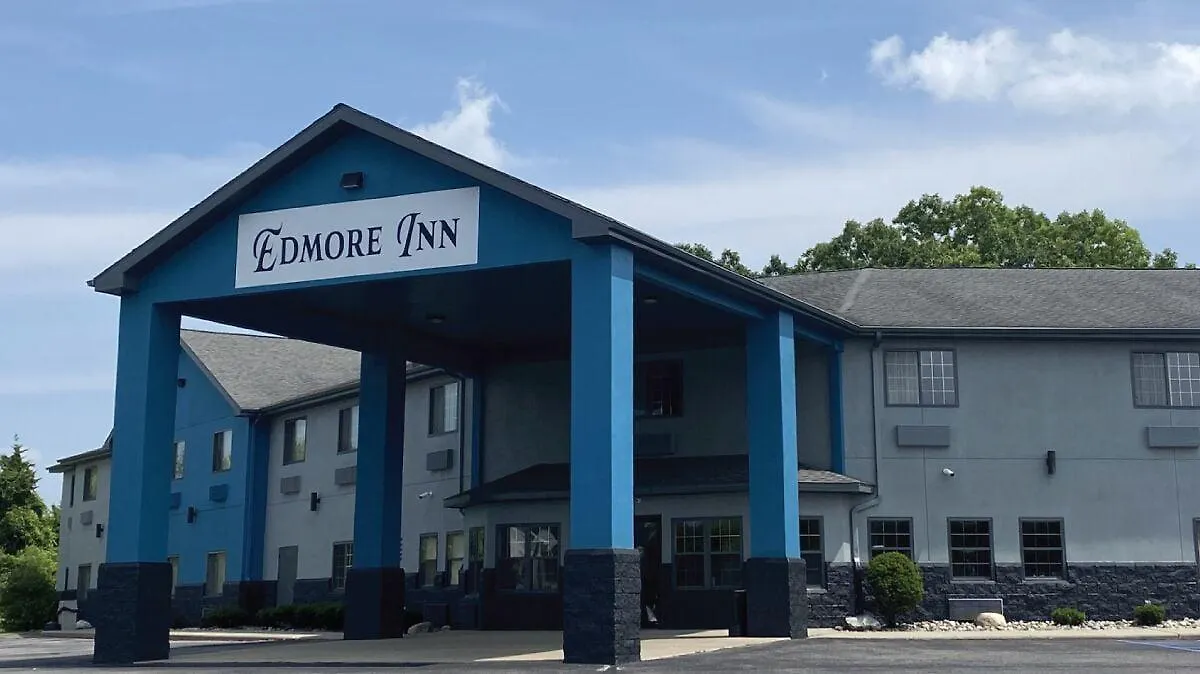
3. Edmore Inn
Show on map


 Check-infrom 15:00 until 23:59Check-outuntil 11:00
Just a few rooms left at the best rate!
fromUS$ 97
-
4. Staybridge Suites Marquette By Ihg
Show on map


 Check-infrom 15:00 until 23:59Check-outuntil 12:00
Hurry – almost gone at this price!
fromUS$ 181
Best Premium Historic Stays
These hotels offer either a stronger sense of architectural heritage, a more central urban position, or a higher amenity level - suited for travelers for whom the stay itself is part of the Michigan experience.
-
5. The Inn On Ferry Street
Show on map


 Check-infrom 16:00 until 23:59Check-outuntil 11:00
Hurry – almost gone at this price!
fromUS$ 153
-
6. Fairfield Inn & Suites By Marriott Frankenmuth
Show on map


 Check-infrom 16:00 until 23:59Check-outfrom 10:00 until 11:00
Hurry – almost gone at this price!
fromUS$ 94
-
7. Springhill Suites By Marriott Frankenmuth
Show on map


 Check-infrom 16:00 until 23:59Check-outfrom 10:00 until 11:00
Rooms filling fast – secure the best rate!
fromUS$ 104
-
8. Holiday Inn Express Frankenmuth By Ihg
Show on map


 Check-infrom 15:00 until 23:59Check-outuntil 11:00
Rooms filling fast – secure the best rate!
fromUS$ 99
Smart Travel & Timing Advice for Michigan
Michigan has two clearly distinct peak windows: summer (late June through August) for Great Lakes, outdoor, and Frankenmuth tourism, and October for fall foliage, which drives sharp occupancy spikes across northern Michigan and the Upper Peninsula. Historic properties in Detroit maintain more consistent year-round availability than seasonal destinations like Marquette or Frankenmuth, where summer rates can climb around 35% above off-season pricing. Winter travel to the Upper Peninsula - particularly around Marquette - suits skiers and snowshoe enthusiasts, with Al Quaal Recreation Area active from December through March; book at least 6 weeks ahead for holiday-period stays.
For Frankenmuth, December is a secondary peak driven by Bronner's Christmas Wonderland, which draws visitors specifically for the holiday shopping experience - expect reduced room availability and higher rates throughout the month. A 2-night minimum makes practical sense for most Michigan historic hotel stays, as travel distances between attractions require at least a full day per base city. Last-minute booking works reasonably well in Jonesville and Edmore, where demand is lower and occupancy pressure less acute than in the state's tourist-facing towns.


